What changes between double and triple glazing
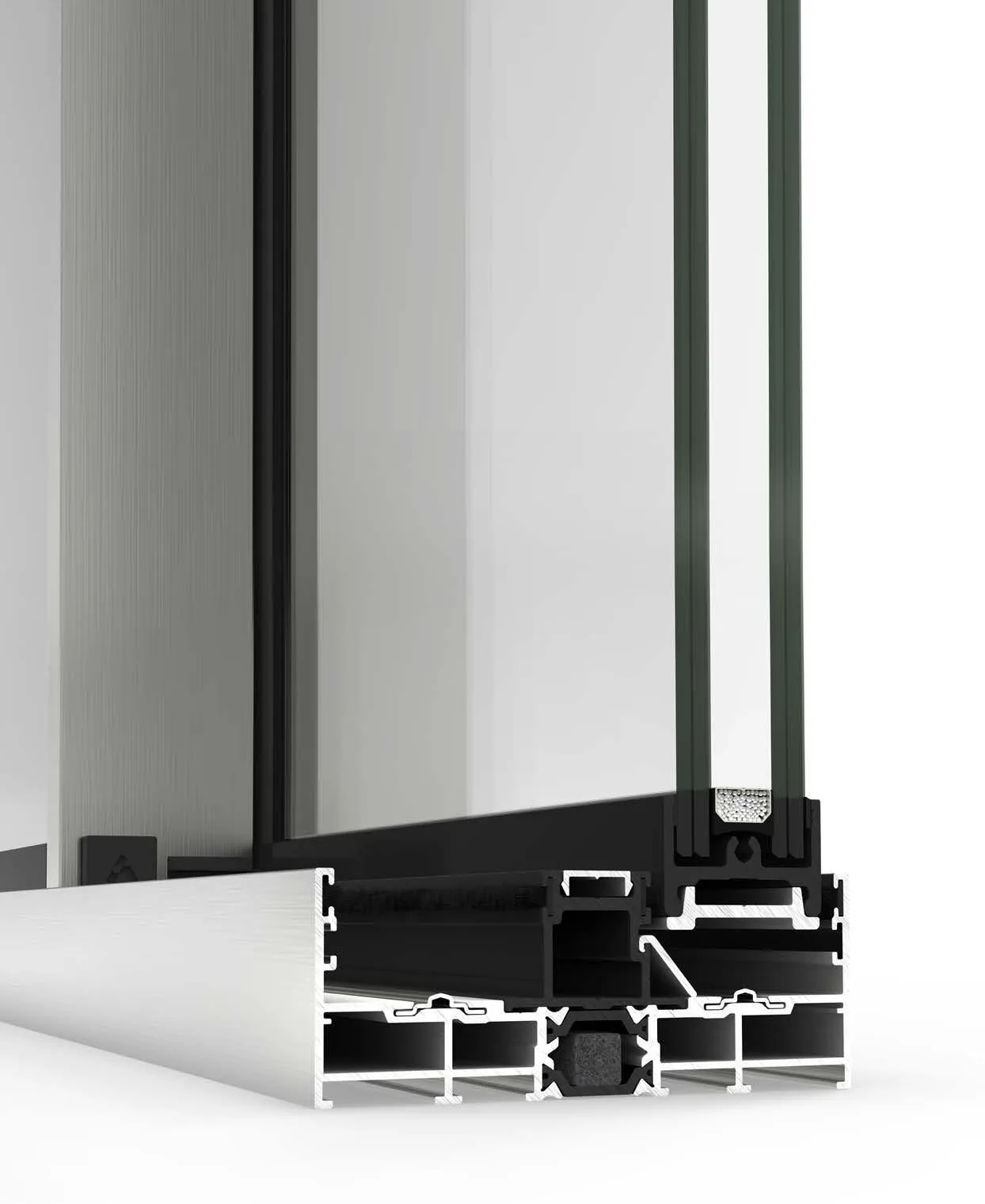
Double glazing has two panes separated by a sealed cavity; triple glazing adds a third pane and another cavity. The cavities may contain air or gas, and panes may include low-emissivity or solar-control coatings. These choices affect thermal and solar behaviour, so “double” and “triple” describe the build-up rather than one fixed performance level.
The thermal transmittance of the glass is usually shown as Ug; the value for the complete window, including the frame and edge, is Uw. Do not compare values for different components as though they were equivalent. Ask for the exact glazing composition and declared data for the window being quoted.
Match glazing to orientation and comfort
On a façade with strong sun, controlling incoming solar energy may matter as well as reducing heat transfer. The solar factor, or g-value, expresses the fraction of solar energy passing through the glass; a lower value admits less solar heat. This choice also affects daylight and should account for orientation, shading and how the room is used.
If noise reduction is the main concern, adding a pane is not enough on its own. The glass make-up, relative pane thicknesses, cavity, acoustic laminated glass, seals and window airtightness all influence performance. Describe the type of noise and when it is most noticeable, then ask the installer to recommend a complete solution for the situation.
When to consider triple glazing
Triple glazing can achieve lower thermal transmittance in certain configurations, but it weighs more and requires frames, hardware and dimensions that can support the assembly. Its suitability depends on climate, building, orientation, chosen system and comfort goals; it is not an automatic upgrade for every home.
A high-performance double-glazed unit may also be an option. Compare equivalent configurations and values, including solar control and visible-light transmission. Guardian’s Portugal guide shows differences among specific compositions; those figures apply to its examples and should not be generalized to every window or climate.
What to request in a quote
Ask for the written composition of each glass unit, cavity width, whether the cavity contains air or gas, functional coatings, and Ug, solar-factor and light-transmission values where available. To compare windows, request the Uw value for the complete unit and note the frame, dimensions, opening type and shutter. Include installation in the assessment.
A sound recommendation explains the problem it is intended to solve and the trade-offs involved: summer heat, heat loss, noise, daylight, weight or budget. Ask the supplier to explain why the proposed specification fits each orientation and room. Then you can choose between double and triple glazing using data for the actual system, rather than pane count alone.