Prepare the initial information
Start with a numbered list of windows and doors. For each one, note the room, approximate dimensions, orientation, current material, opening style and main goal: thermal comfort, noise, security, solar control or ease of use. Add photos and identify shutters, insect screens, grilles and elements that need to remain.
You do not need to measure like an installer. Mark dimensions as approximate and ask whether a technical measurement will be taken before manufacture. Share access constraints such as height, an internal courtyard, narrow stairs or building rules. This context helps prevent proposals from relying on different assumptions.
Request specifications for each item
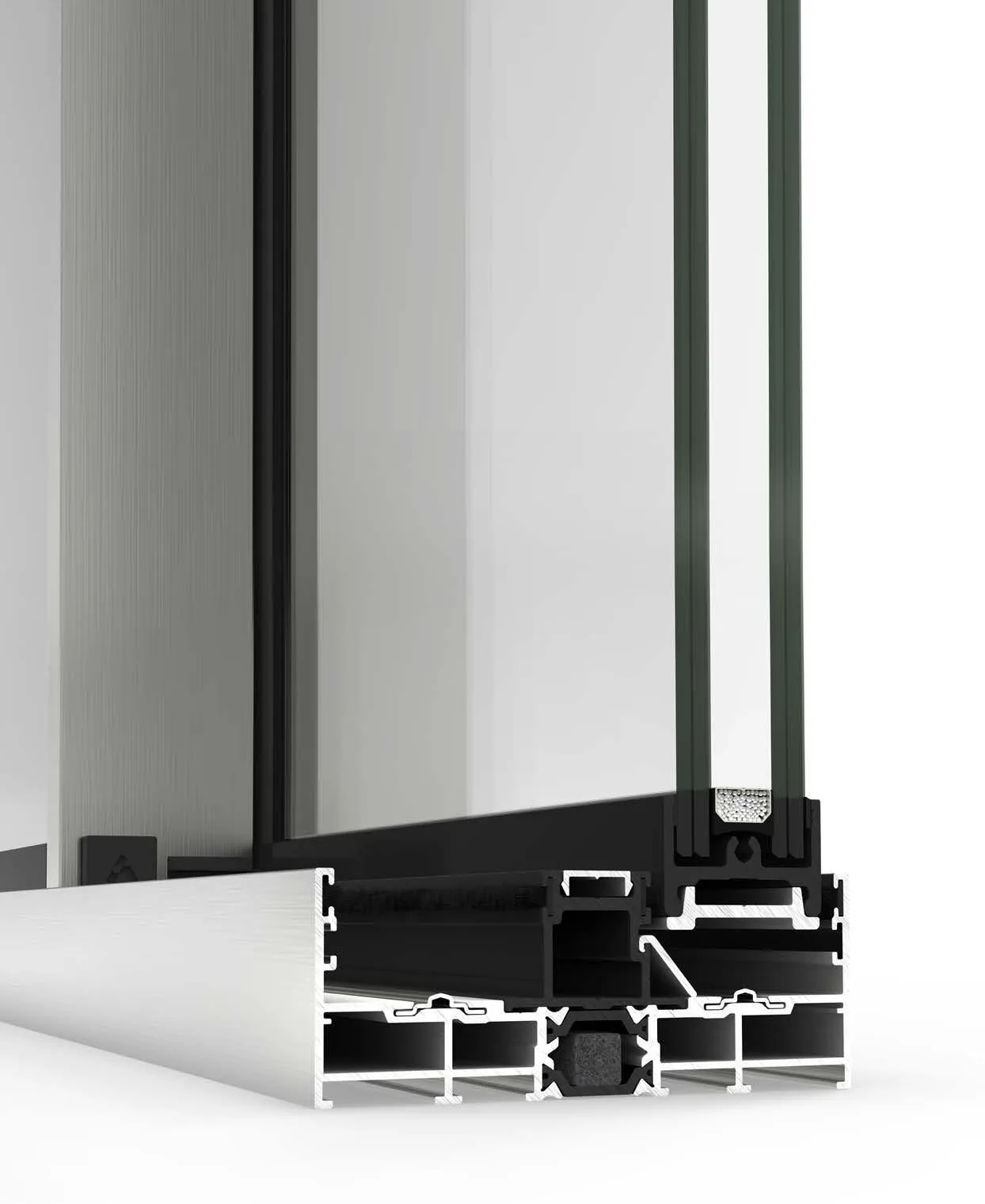
Ask each line to identify the frame material and system, colour, final dimensions, number of sashes, opening type, hardware, glazing composition and accessories. If thermal or acoustic figures are given, ask for the value and whether it refers to the glass or complete window. For solar control, ask which glass is proposed and why it suits the orientation.
Note whether shutters, motors, screens, special thresholds, safety laminated glass or finishes are included. For a large door, confirm size and weight limits, track type, threshold height and accessibility details. Writing down these options makes offers easier to compare without confusing scope differences with price differences.
Define installation and finishing
The quote should describe measurement, manufacture, removal of old windows, transport, fitting, sealing and interior or exterior finishing. Ask who handles building work, painting, waste management and repair of unexpected damage. It is also useful to state the estimated schedule, payment terms, quote validity and warranty conditions.
Make exclusions and assumptions explicit, such as whether the offer assumes the opening is sound or existing shutters will be reused. A technical visit may change dimensions or uncover hidden damage. Ask how changes will be documented and approved before the additional work is carried out.
Compare offers on the same scope
Line up proposals opening by opening and check that they cover the same materials, glazing, finishes, accessories, removal and installation. If a supplier recommends an alternative, request it as a separate option so you can see the difference clearly. A lower quote may include fewer tasks; a more complete offer may include items omitted elsewhere.
Before accepting, confirm quantities, contact details, project location, expected schedule and how to raise questions. Keep versions and changes in writing. The aim is for both sides to understand exactly what will be supplied and what work will be done. Then you can decide from the scope and technical solution rather than vague assumptions or promises.